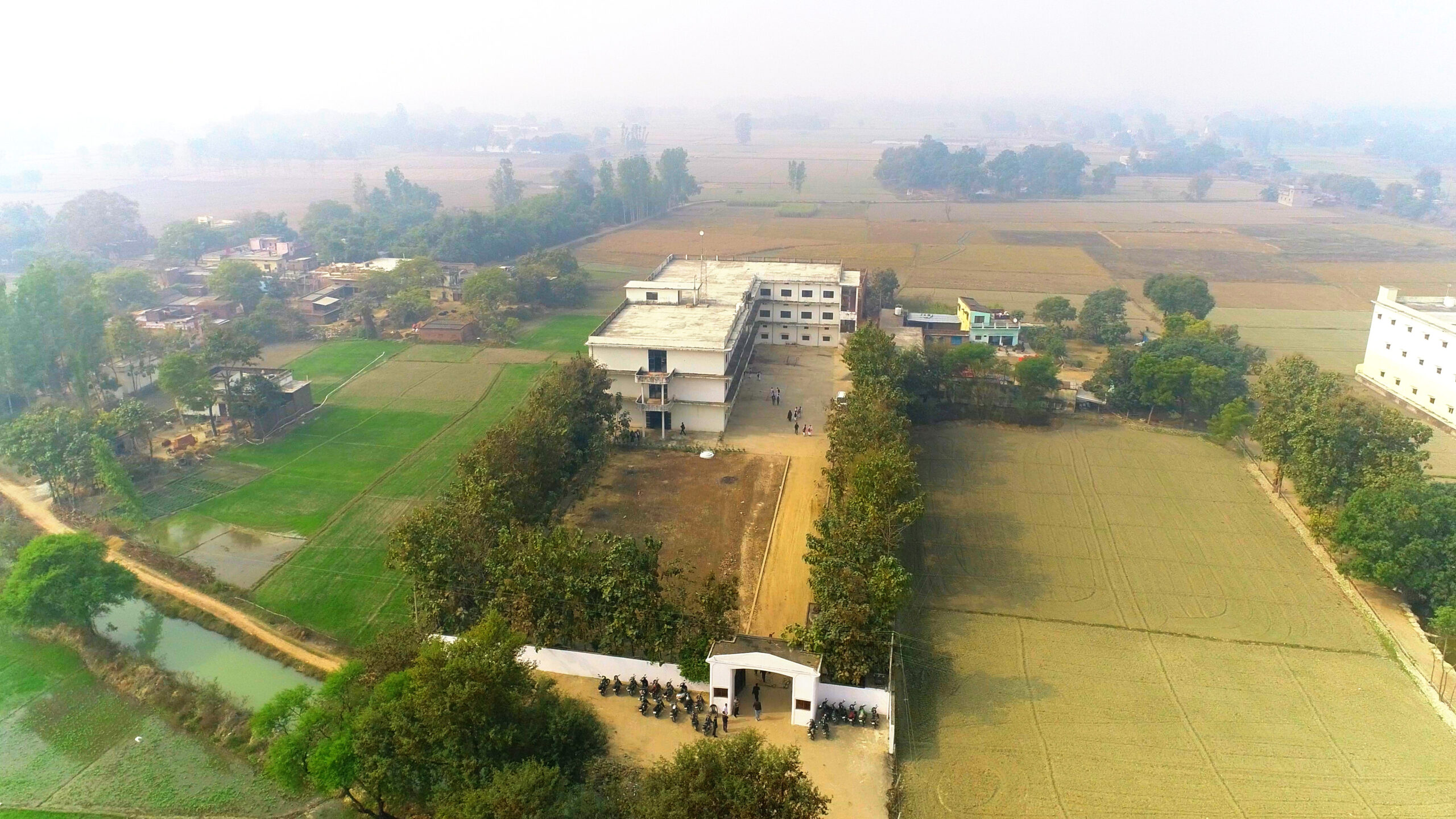
Post-independence, pharmacy education in India has undergone tremendous changes to meet the requirements of industry and the community at large. The Diploma in Pharmacy is able to meet the requirements of community and hospital stores only partly. The degree program (BPharm) is developed to address all other demands of the profession of pharmacy. However, BPharm education today is facing the challenge of meeting the changing needs the of industry. The four-year B.Pharm course offered by Vishwanath Institute of Pharmacy, is prepared considering the needs of the industry, which gives more impetus for skill development. Thus, BPharm graduates can don the roles like Industrial Pharmacist (Manufacturing, Packaging, Quality Control, and Quality Assurance), Hospital and Community Pharmacist (Dispensing of Medicines and Counselling of patients), Sales and Distribution executive (Detailing to Doctors and Bulk Distribution of Medicines), Academic Pharmacist (Training Diploma in Pharmacy Students). With the higher qualification, MPharm, a person could land jobs in the pharma industry in several niche areas, including research, regulatory affairs, new formulation development, marketing, and administration. With experience, an aspirant can move up the ladder to occupy senior positions in pharmaceutical companies getting hefty pay and perks.
Programme Educational Objectives (PEOs)
Programme Outcomes (POs)
Course Outcomes (COs):
Bpharm Semester 1 COs
Bpharm Semester 2 COs
Bpharm Semester 3 COs
Bpharm Semester 4 COs
Bpharm Semester 5 COs
Bpharm Semester 6 COs
Bpharm Semester 7 COs
Bpharm Semester 8 COs
B. Pharm Curriculum
Hands-on training
Laboratory teaching
Case studies
Group discussion
Conferences for UG students
B. Pharm Assessment
Two sessional exams shall be conducted for each theory and one sessional exam for practical course as per the schedule fixed by the college
Sessional exams are conducted by internal examiners, whereas university papers are evaluated by both external and internal examiners and the average is taken.
Theory examination pattern: section I: Multiple choice questions; section II: Long answers; section III: Short answers
Practical examination pattern: spotters, synopsis, major experiment, minor experiment and viva-voce.
Attendance and progress: A candidate is required to put in at least 80% attendance in individual courses considering theory and practical separately. The candidate shall complete the prescribed course satisfactorily to be eligible to appear for the respective examinations